
Renovation Guide
Everything you need to know about renovating in Spain.
Renovation costs in Spain vary considerably depending on location, scope and quality of finishes. In prime markets such as Madrid and Barcelona, labour and material costs run approximately 25% above the national baseline, reflecting high demand and premium contractor rates. The Balearic Islands (Mallorca, Ibiza, Menorca) command the highest regional premium — up to 35% above average — due to island logistics and seasonal contractor availability.
By contrast, the Costa Blanca (Alicante province) offers some of the most competitive renovation rates in Spain, running roughly 5% below the national average — making it particularly attractive for buy-to-let investors seeking a strong return on refurbishment spend. The Costa del Sol (Málaga) sits slightly above average at ×1.12, reflecting strong demand from the international property market.
As a general benchmark for 2026, a full renovation at standard quality ranges from 550 – 850 €/m² before IVA; a high-end luxury finish (Porcelanosa materials, bespoke carpentry, designer fixtures) can reach 900 – 1.400 €/m² or beyond in premium locations.
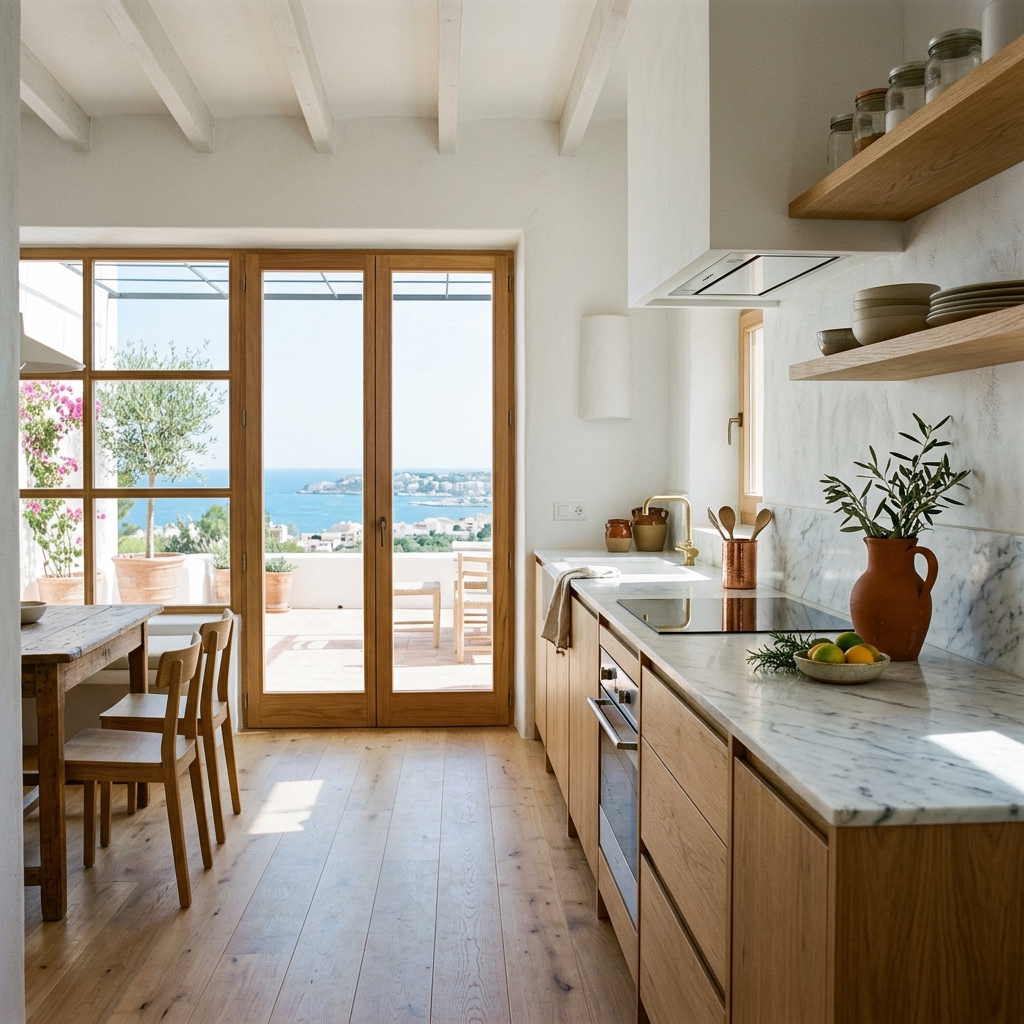
A full renovation (reforma integral) covers the complete transformation of a property: structural modifications, complete replumbing and electrical rewiring, new kitchen and bathrooms, flooring (porcelain, stone, hardwood), plastering, painting, interior doors and built-in wardrobes. This is the most impactful — and expensive — category, typically accounting for 100% of the property's habitable area.
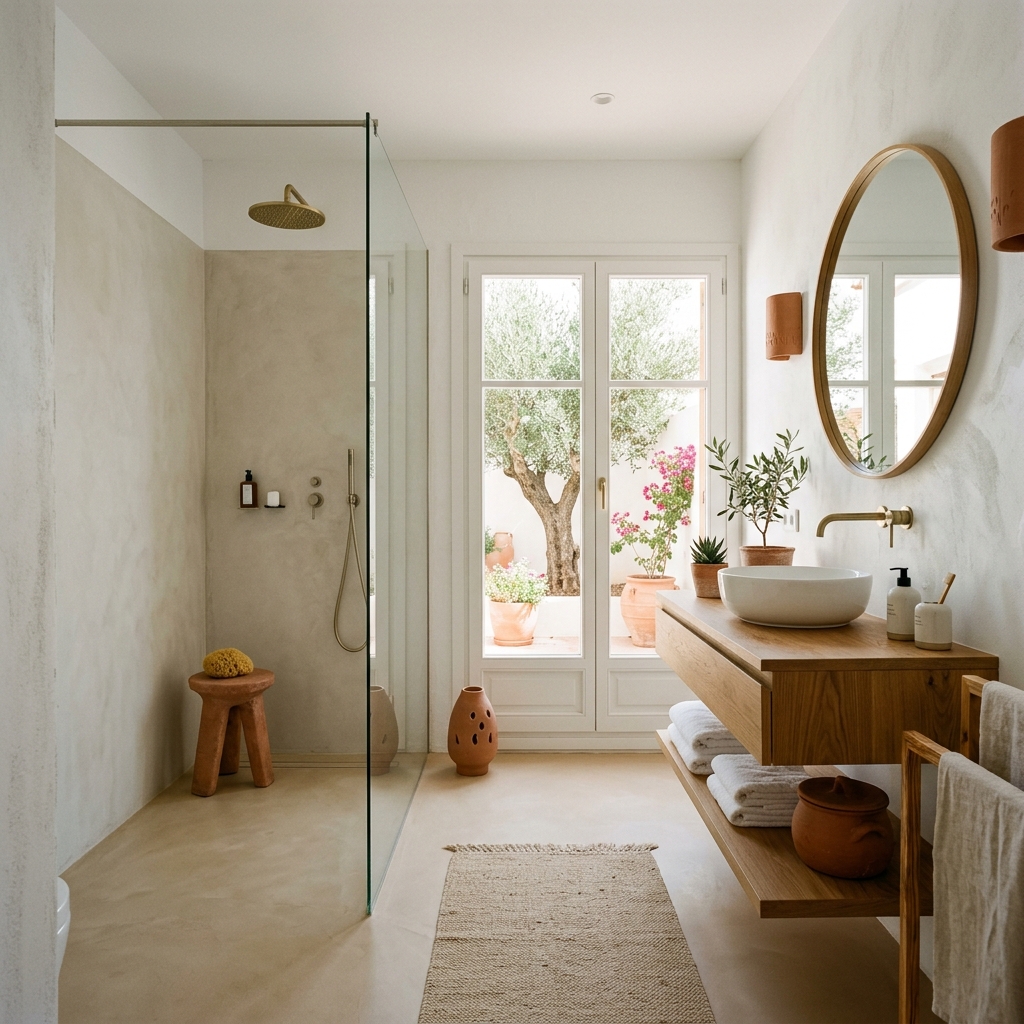
A partial renovation focuses on high-impact wet areas — kitchen and bathrooms — along with selective plumbing and electrical updates. This approach delivers excellent ROI for rental properties and holiday lets, modernising the spaces that prospective tenants and buyers value most, at roughly 40–60% of the cost of a full renovation.
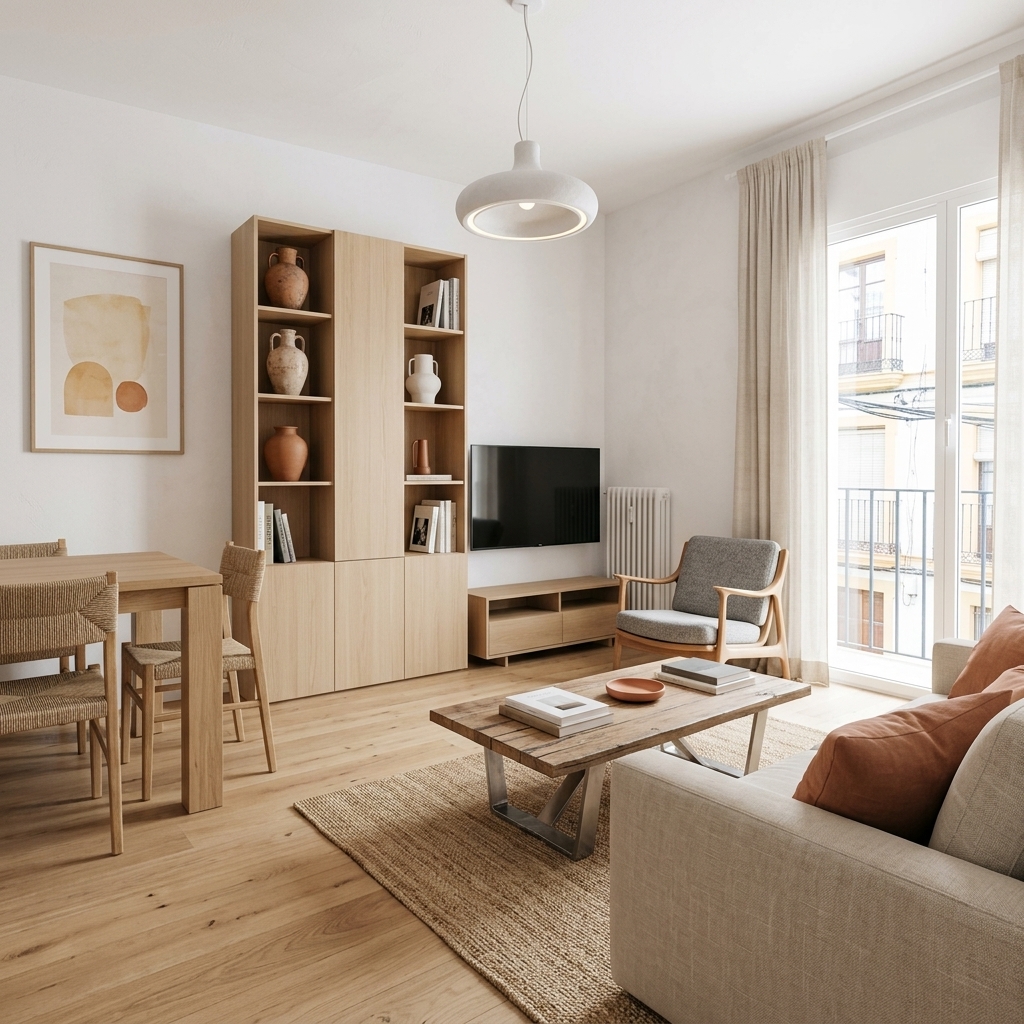
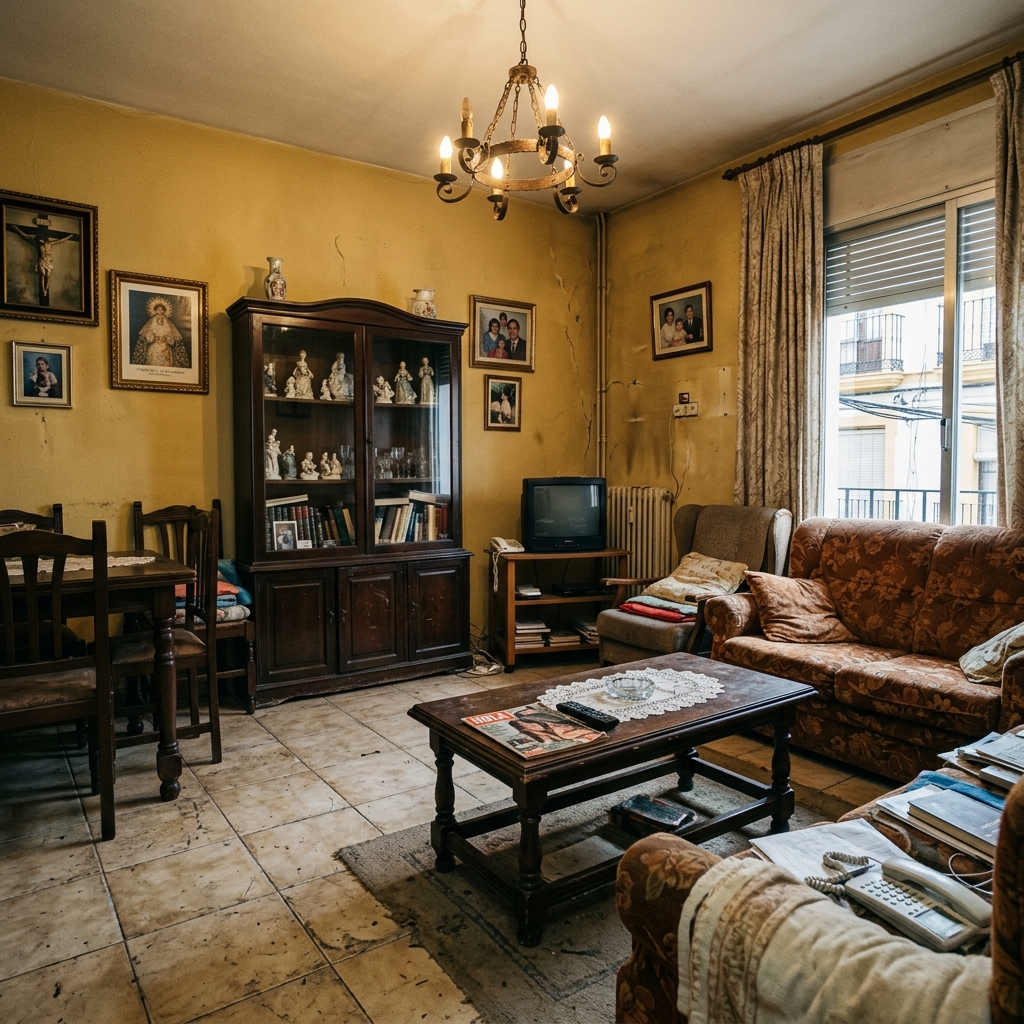
A cosmetic refresh (sometimes called an interior design package) covers paint, microcement or LVT flooring overlays, new lighting fixtures, soft furnishings, and styling — ideal for properties that are structurally sound but visually dated.
| Renovation Type | Cost Range (€/m²) — pre-IVA | Duration (90 m²) |
|---|---|---|
| Full Renovation (Reforma Integral) | 550 – 850 € | 14–22 weeks |
| Partial Renovation (Kitchen & Bathrooms) | 320 – 500 € | 6–10 weeks |
| Cosmetic Refresh / Interior Design | 180 – 280 € | 2–5 weeks |
All renovation work in Spain is subject to IVA (Impuesto sobre el Valor Añadido). The standard IVA rate is 21%, but residential renovation works qualify for the reduced rate of 10% under specific conditions set out in the Spanish VAT Law (Ley 37/1992). To benefit from this reduced rate, the property must be used as a primary residence (vivienda habitual), and the materials supplied by the contractor must not exceed 40% of the total invoice value.
- Obra Menor
Minor works not affecting structural elements: repainting, tiling, kitchen and bathroom fitting, non-structural partitions. Requires a simplified comunicación previa or licencia de obra menor from the local Ayuntamiento.
- Obra Mayor
Major works affecting load-bearing structures, building envelope, extensions or changes of use. Requires a full licencia de obras with a technical project signed by a colegiado architect.